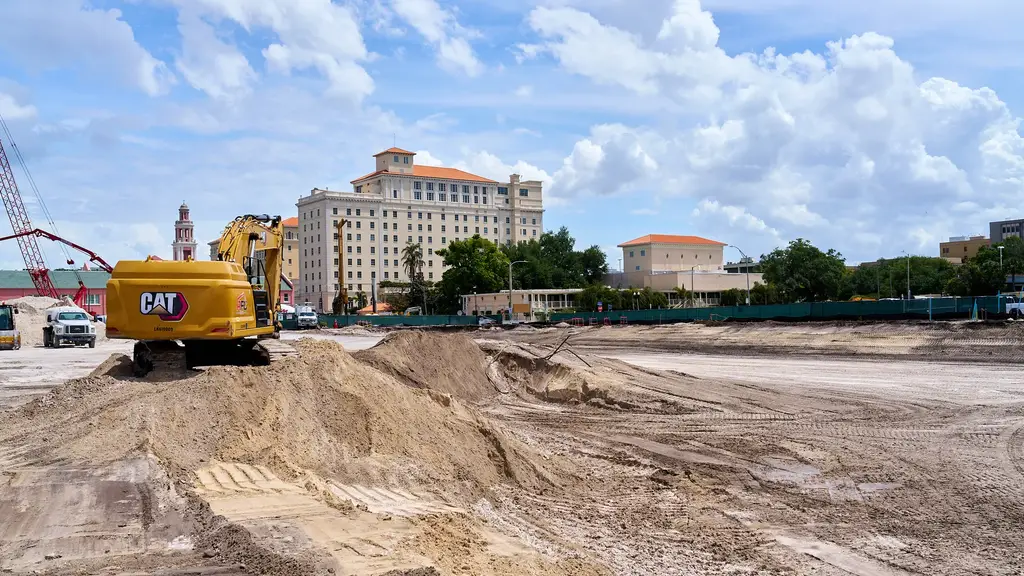
Downtown Clearwater has been gaining attention as new residential, hospitality, and entertainment projects reshape the area. But one of its largest redevelopment opportunities has hit a pause.
Pinellas County has rejected both proposals submitted to redevelop approximately 24.5 acres of county-owned property in downtown Clearwater. The decision, announced October 13, leaves the future of 17 properties and 34 parcels uncertain while the county explores other options.
What Was Supposed to Happen?
The county had been looking for a private development partner to transform its downtown properties into a connected, mixed-use district.
The vision included a combination of residential, commercial, retail, hospitality, civic, and public spaces. The goal was to bring more activity into downtown while creating a destination for residents and visitors.
The redevelopment opportunity is tied to the county’s plan to relocate government operations to a new campus near Ulmerton Road and Icot Boulevard. Selling or redeveloping the existing downtown properties could help offset the cost of that move and reduce ongoing maintenance expenses.
However, the county has not disclosed why the two proposals were rejected or whether it plans to reopen the process.
Why Does This Matter for Clearwater Real Estate?
The 24.5-acre property represents a significant opportunity in the heart of downtown. A successful redevelopment could bring additional housing, businesses, hospitality options, and public spaces to an area already experiencing investment.
Nearby projects include the redevelopment around Coachman Park, the upcoming Ballad Hotel, and the planned apartment tower at 150 S. Osceola Avenue. Together, these projects are part of a broader effort to create a more active downtown environment.
The county’s decision does not mean redevelopment is off the table. It simply means the process may take a different direction or longer than originally anticipated.
There is also a financial consideration for local taxpayers. County-owned properties are generally exempt from property taxes, so transferring them to private ownership and putting them back into productive use could eventually expand the local tax base.
What Happens Next?
For now, Pinellas County is reviewing its options for the properties. A new development partner, revised proposal process, or different approach could determine how the sites move forward.
For buyers, sellers, investors, and real estate professionals, downtown Clearwater is worth keeping on the radar. Continued investment in housing, hospitality, infrastructure, and commercial space could influence the area’s appeal and long-term growth.
While the future of these county-owned properties is still uncertain, one thing is clear: downtown Clearwater remains an important part of Pinellas County’s redevelopment story.
Sources: