
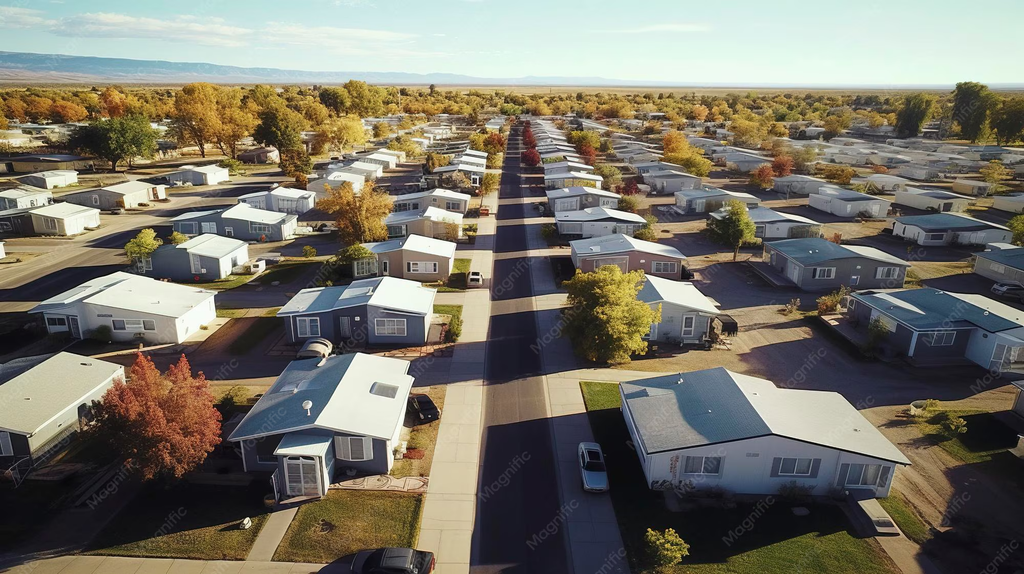
Manufactured housing has come a long way from the image many people still have of a “mobile home.” Today’s manufactured homes are built to federal HUD standards and can offer a more affordable path to homeownership.
Now, a new federal law could give the industry even more room to evolve.
The 21st Century ROAD to Housing Act, signed into law on July 11, 2026, includes several changes affecting manufactured housing, including financing and how manufactured homes are defined.
So, What’s Changing?
One of the biggest changes is the removal of the federal requirement that manufactured homes be built on a permanent steel chassis.
The chassis is the steel frame underneath a manufactured home that allows it to be transported. Under the new law, manufactured homes can eventually be built without that permanent chassis, opening the door to more flexibility in design and construction.
That could mean more traditional-looking designs, different layouts, and potentially new opportunities for manufactured housing in areas where affordability and housing supply are major concerns.
What Does This Mean for Florida?
Florida already has a significant manufactured housing market. Manufactured homes make up about 8% of the state’s housing stock, and more than 8,000 manufactured homes were sold in Florida during the first half of 2026.
The new law could create more options for buyers looking for an affordable home, while giving manufacturers additional flexibility in how homes are designed and constructed.
There’s an important catch, though: the changes won’t happen overnight.
HUD still needs to establish updated construction and safety standards for homes built without a permanent chassis. Florida will also need to address its own laws and requirements. Local zoning and land-use rules will continue to determine where manufactured homes can be placed.
Financing Could Change, Too
The law also raises FHA-insured loan limits for manufactured housing, potentially making financing more accessible for some buyers. Other provisions address smaller mortgages and additional financing options for factory-built housing.
For buyers, the bigger picture is simple: more financing options and more flexibility in construction could help expand the range of homes available at lower price points.
The Bottom Line
The ROAD to Housing Act doesn’t suddenly change what manufactured homes look like or where they can be built.
Instead, it starts a process that could give manufacturers, buyers, and communities more options in the years ahead.
As HUD, Florida, and local governments work through the details, manufactured housing could become an increasingly important part of Florida’s housing landscape.
The future of housing isn’t necessarily one-size-fits-all. And in Florida, manufactured housing may be getting a little more room to grow.